Data Discrepancy: The Truth About Crypto Payroll - Redditors Assemble!
11|0 comments
Crypto Payroll: Revolution or Risk?
Crypto Payroll Meets High-Frequency Trading: A Volatile Mix The buzz around merging crypto payroll with momentum trading is getting louder. We're talking about systems that not only pay employees in crypto but also actively manage those funds based on real-time market swings. Fintech loves these buzzwords, but let's break down what this actually *means*. Crypto payroll solutions are gaining traction, promising faster, cheaper, and more secure payments via blockchain. And yes, the idea of getting paid in crypto has a certain appeal, especially as digital assets creep further into the mainstream. But the real question is: how much cheaper and faster are we *really* talking? The devil, as always, is in the details—details often missing from these initial pitches. The Future of Crypto Payroll: Merging Momentum Trading with Fintech Innovation Momentum trading, for those unfamiliar, is a strategy that rides existing price trends. In crypto's volatile landscape, this *could* be lucrative. The idea is to spot assets on an upward trajectory, buy in, and cash out at the peak. Integrating this into payroll means dynamically managing salary funds based on market momentum. Sounds great in theory, but what's the risk-adjusted return after transaction costs and slippage? I've seen too many "revolutionary" trading systems that hemorrhage money once you account for real-world friction.Fintech's "Innovation": Trading Salaries, Shifting Risk?
The Fintech Dream: AI, APIs, and Hybrid Portfolios Fintech startups are pushing innovative approaches: AI integration for real-time monitoring and compliance, modular API-driven infrastructure for blending crypto payroll with trading, and hybrid investment portfolios combining fiat, equities, and crypto. The vision is compelling: AI flags anomalies, APIs enable real-time wallet interoperability, and employees get dashboards showing how their crypto payroll is "working for them." But hold on. AI in trading is notoriously difficult. (The vast majority of hedge funds using AI underperform simpler, rules-based strategies.) Can AI *really* predict market movements reliably enough to justify the added complexity and cost in a payroll system? And while APIs offer flexibility, integrating multiple platforms always introduces new security vulnerabilities. I’ve looked at hundreds of these system designs, and the attack surfaces are often glossed over. What about the employees in all of this? Are they really equipped to understand the risks involved? Offering hybrid portfolios sounds good on paper, but it also shifts the burden of investment decisions onto individuals who may lack the necessary expertise. This isn't financial empowerment; it's potentially setting people up for losses. And this is the part of the report that I find genuinely puzzling: the assumption that everyone *wants* their payroll to be actively traded. Some people just want to get paid, without the added stress of market fluctuations. The idea that "user engagement and retention" will be boosted by turning salaries into a speculative asset seems... optimistic, to put it mildly.Crypto Compliance: Beyond the AI Hype
Navigating the Regulatory Minefield Of course, no discussion of crypto is complete without addressing compliance. Tax implications, AML regulations, KYC protocols – it's a regulatory minefield. Automated compliance checks powered by AI are touted as the solution, but even the most sophisticated AI can struggle with the nuances of constantly evolving regulations. Staying above board requires more than just software; it requires a deep understanding of the legal landscape and a willingness to adapt. The regulatory landscape is an ever-changing one. Adapting to changes will help mitigate risks. One thing that is often neglected is the importance of clear policies and employee education. Setting clear rules about crypto payroll and trading strategies is essential, as is training employees on the ins and outs of crypto. Data analytics can help monitor market trends, but it's no substitute for sound risk management. And, of course, robust security measures are paramount. Advanced encryption and cybersecurity protocols are essential to protect sensitive data. Trading Salaries: A Recipe for Disaster? Merging crypto payroll with momentum trading *sounds* innovative, but it's a high-risk proposition. The potential benefits – faster payments, higher returns – are overshadowed by the complexities of AI-driven trading, the vulnerabilities of integrated systems, and the regulatory minefield of crypto. Turning employee salaries into speculative assets is a recipe for disaster, and I suspect that once the initial hype dies down, the reality of this approach will fall far short of the fintech dream.

-
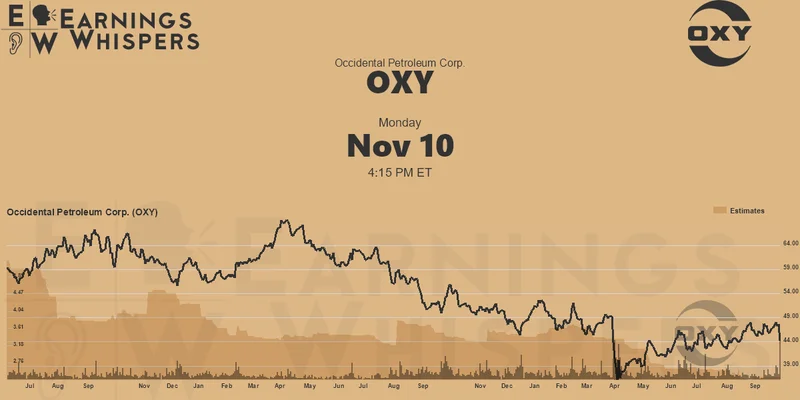
Warren Buffett's OXY Stock Play: The Latest Drama, Buffett's Angle, and Why You Shouldn't Believe the Hype
Solet'sgetthisstraight.Occide...
-

The Great Up-Leveling: What's Happening Now and How We Step Up
Haveyoueverfeltlikeyou'redri...
-

The Future of Auto Parts: How to Find Any Part Instantly and What Comes Next
Walkintoany`autoparts`store—a...
-

Applied Digital (APLD) Stock: Analyzing the Surge, Analyst Targets, and Its Real Valuation
AppliedDigital'sParabolicRise:...
-
Analyzing Robinhood: What the New Gold Card Means for its 2025 Stock Price
Robinhood's$123BillionBet:IsT...
- Search
- Recently Published
-
- DeFi's Unstoppable Evolution After the October Crash: The investor trends and the exciting opportunities shaping 2025
- Why Crypto Analysis is a Scam - Traders React
- Data Discrepancy: The Truth About Crypto Payroll - Redditors Assemble!
- Analyst's 'Truth': Why Altcoin Season is Dead - Crypto Twitter Reacts
- Uber Ride Demand: Cost Analysis vs. Thanksgiving Deals
- Stock Market Rollercoaster: AI Fears vs. Rate Hike Panic
- Bitcoin: The Price, The Spin, & My Take
- Asia: Its Regions, Countries, & Why Your Mental Map is Wrong
- Retirement Age: A Paradigm Shift for Your Future
- Starknet: What it is, its tokenomics, and current valuation
- Tag list
-
- Blockchain (11)
- Decentralization (5)
- Smart Contracts (4)
- Cryptocurrency (26)
- DeFi (5)
- Bitcoin (31)
- Trump (5)
- Ethereum (8)
- Pudgy Penguins (6)
- NFT (5)
- Solana (5)
- cryptocurrency (6)
- bitcoin (7)
- Plasma (5)
- Zcash (12)
- Aster (10)
- nbis stock (5)
- iren stock (5)
- crypto (7)
- ZKsync (5)
- irs stimulus checks 2025 (6)
- pi (6)
- hims stock (4)
- kimberly clark (5)
- uae (5)