The Pink Pineapple: Unpacking its Viral Surge and Benny Blanco's Unexpected Endorsement
12|0 comments
Okay, let's talk about pink. Yeah, *that* pink. Millennial Pink, Barbiecore Pink, Valentino Pink—it's everywhere, right? But I think it's more than just a trend; it's a fascinating cultural algorithm, constantly evolving, reflecting, and shaping our world. I know, I know, it sounds a bit out there, but hear me out.
Pink's Wild Ride: More Than Just a Color
The Pink Spectrum: Decoding a Cultural Signal Think about it: color, at its most basic, is just reflected light. But we, as humans, have layered on SO much meaning. Pink, in particular, has had a wild ride. Once associated with masculinity (because it was seen as a lighter shade of red, the color of war!), it somehow flipped and became the ultimate symbol of femininity. But the interesting thing is, that's not where the story ends.Pink: More Than Just a Color, It's a Cultural Signal
Pink as a Dynamic Cultural Barometer Today, pink is being reclaimed, redefined, and used in ways that are far more nuanced. We see it in tech, in fashion, in art—as a statement of rebellion, a celebration of individuality, and even a symbol of hope. It’s like a signal, constantly being updated and reinterpreted by society. It's not just a pretty hue; it's a cultural barometer.Pink's Algorithm: How Culture Codes a Color
The Algorithmic Nature of Pink's Meaning And that's where the "algorithm" part comes in. Just like a computer algorithm learns from data, pink's cultural meaning is constantly being shaped by what we see, hear, and experience. The rise of "Barbiecore," for example, isn't just about nostalgia; it's a reaction to societal pressures, a playful embrace of femininity on one's own terms. The Valentino Pink PP collection? A bold, unapologetic statement. It’s like each new iteration, each new application of pink, feeds back into the system, refining its meaning.Pink: More Than a Trend, a Reflection of Us?
Beyond a Fleeting Trend: Pink as Collective Consciousness I've seen some people online dismiss it as just another trend, a fleeting fad. But I think they're missing the bigger picture. Pink, in its various shades and applications, is a reflection of our collective consciousness. It’s a mirror reflecting back at us our hopes, our anxieties, and our evolving understanding of ourselves. And honestly, when I first started researching this, I was a little skeptical myself. But the deeper I dove, the more fascinating it became!Pink Around the World: A Colorful Algorithm
Cultural Variations in Pink's Perception What’s really interesting is how different cultures perceive pink. I’ve been reading about its significance in places like Japan and India, and it's clear that the "algorithm" is localized, shaped by unique histories and traditions. That's the beauty of it, isn't it? It's not a monolithic, top-down imposition; it's a dynamic, bottom-up evolution. The speed of this is just staggering—it means the gap between today and tomorrow is closing faster than we can even comprehend.Pink as Algorithm: Decoding Culture's Hidden Language
Utilizing Pink's Cultural Algorithm for Deeper Understanding Now, here's where it gets *really* interesting. How can we use this understanding of pink as a cultural algorithm to better understand ourselves and the world around us? Can we use it to predict future trends? To design more inclusive products and experiences? To foster deeper connections across cultures? These are the kinds of questions that keep me up at night.Pink: More Than Just a Color, It's a Conversation
Pink: A Canvas for Our Dreams So, what's the real takeaway here? It's that even something as seemingly simple as a color can be a powerful tool for understanding the complexities of human culture. Pink isn't just a color; it's a conversation. It's a mirror. It's a reminder that meaning is always evolving, always being negotiated, and always open to interpretation. And that's something to celebrate. What this means for us is... but more importantly, what could it mean for *you*?
-
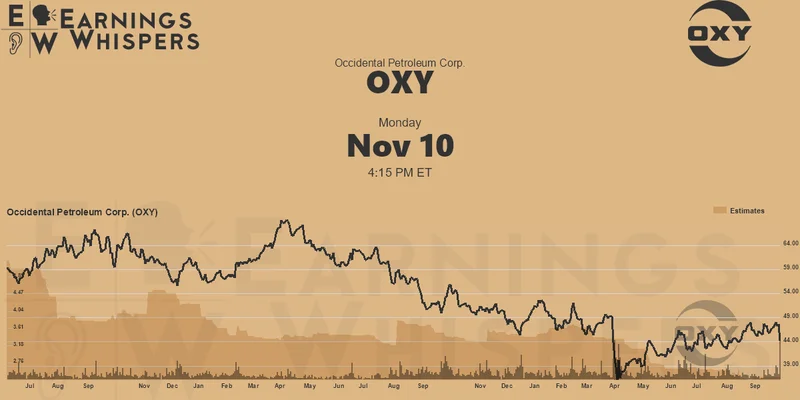
Warren Buffett's OXY Stock Play: The Latest Drama, Buffett's Angle, and Why You Shouldn't Believe the Hype
Solet'sgetthisstraight.Occide...
-

The Great Up-Leveling: What's Happening Now and How We Step Up
Haveyoueverfeltlikeyou'redri...
-

The Future of Auto Parts: How to Find Any Part Instantly and What Comes Next
Walkintoany`autoparts`store—a...
-

Applied Digital (APLD) Stock: Analyzing the Surge, Analyst Targets, and Its Real Valuation
AppliedDigital'sParabolicRise:...
-
Analyzing Robinhood: What the New Gold Card Means for its 2025 Stock Price
Robinhood's$123BillionBet:IsT...
- Search
- Recently Published
-
- Crypto Analysis: Unlocking Tomorrow's Breakthroughs - Reddit Edition
- ✔️ Final Title: Why Bitcoin vs Ethereum Misses the Point (- Thoughts?)
- DeFi's 2025 Horizon After the October Shift: Unpacking Token Performance and Charting Investor Futures
- Boeing Soars: Just Another 'Next Year' Promise? - Investors Rejoice!
- Crypto Market: Why the Numbers Don't Add Up - Crypto Debates Erupt
- The Pink Pineapple: Unpacking its Viral Surge and Benny Blanco's Unexpected Endorsement
- Accenture's "Reinventors": Corporate Spin on AI Layoffs - AI Overload?
- DeFi's Unstoppable Evolution After the October Crash: The investor trends and the exciting opportunities shaping 2025
- Why Crypto Analysis is a Scam - Traders React
- Data Discrepancy: The Truth About Crypto Payroll - Redditors Assemble!
- Tag list
-
- Blockchain (11)
- Decentralization (5)
- Smart Contracts (4)
- Cryptocurrency (26)
- DeFi (5)
- Bitcoin (31)
- Trump (5)
- Ethereum (8)
- Pudgy Penguins (6)
- NFT (5)
- Solana (5)
- cryptocurrency (6)
- bitcoin (7)
- Plasma (5)
- Zcash (12)
- Aster (10)
- nbis stock (5)
- iren stock (5)
- crypto (7)
- ZKsync (5)
- irs stimulus checks 2025 (6)
- pi (6)
- hims stock (4)
- kimberly clark (5)
- uae (5)